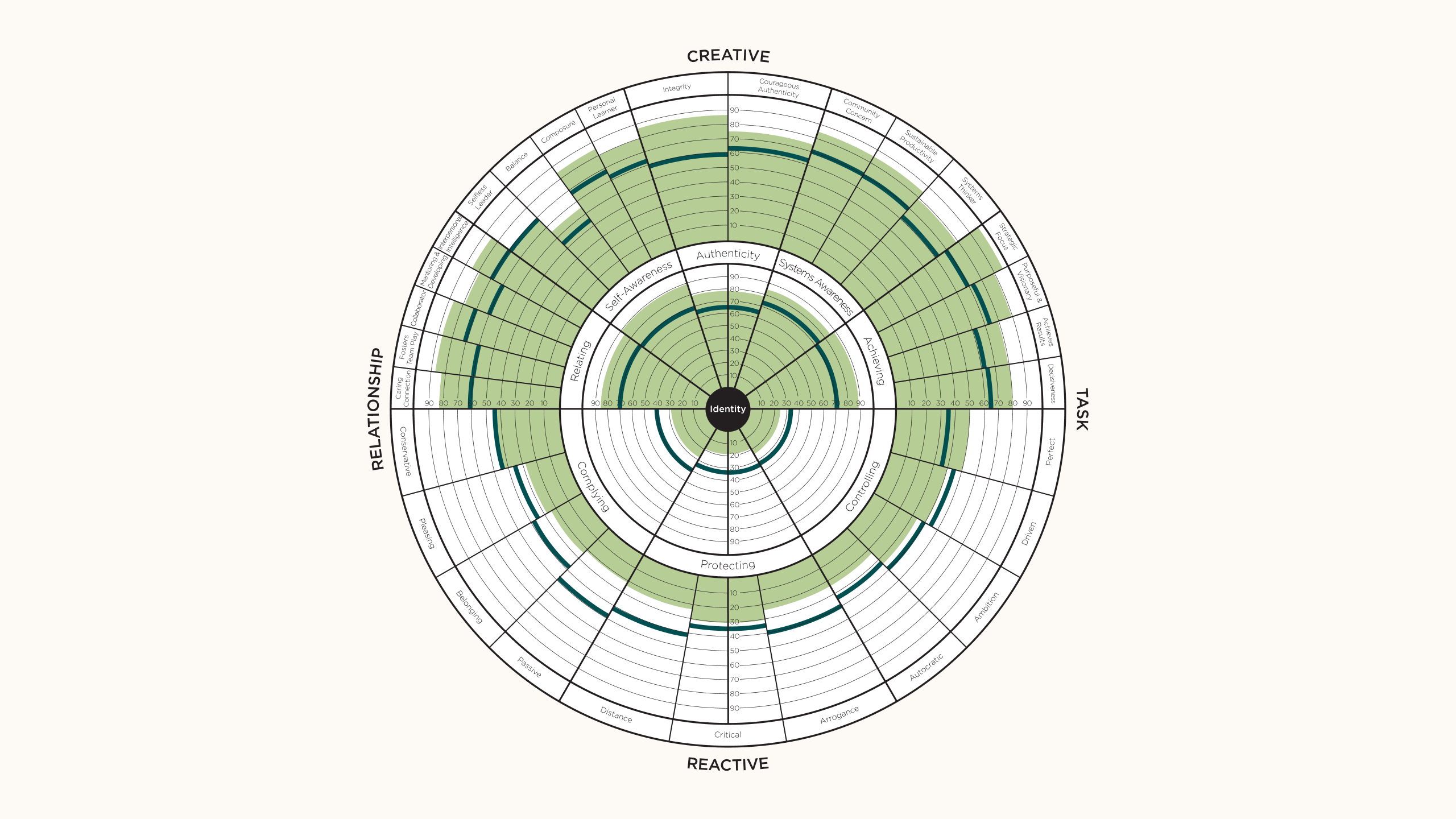
The business world traditionally views personal and professional development as separate pursuits. We distinguish between ‘soft skills’ and ‘hard skills’, emotional intelligence and strategic thinking, personal growth and business metrics. However, today’s most successful organisations are uncovering a compelling truth: when leaders invest in personal growth, their businesses flourish.
The evidence: personal growth drives business results
Research underscores the connection between personal development and business success. McKinsey highlights that resilient companies—those led by self-aware leaders—generate about 20% more total shareholder return than their peers during economic downturns.
Consider Microsoft’s transformation under CEO Satya Nadella. Assuming leadership in 2014, Nadella emphasised empathy and emotional intelligence, steering Microsoft’s culture towards growth and innovation. This shift played a significant role in the company’s resurgence (Psico-Smart).
Key areas where personal development impacts business
- Decision-making quality: Leaders with heightened self-awareness make more informed decisions. Practices such as mindfulness and self-reflection help mitigate cognitive biases and encourage consideration of diverse perspectives (McKinsey).
- Team performance: A leader’s personal growth directly influences team dynamics. Google’s Project Aristotle identified psychological safety as the most crucial factor in team performance. Leaders who understand themselves are better equipped to foster environments of trust and openness (Google Research).
- Innovation and adaptability: Organisations led by personally developed leaders exhibit greater innovation. These leaders are more comfortable with uncertainty and more willing to challenge their own assumptions, creating cultures where experimentation is encouraged, and failure is viewed as a learning opportunity (McKinsey).
Understanding the investment in personal development
While many organisations acknowledge the importance of personal development, prioritising it can be challenging. McKinsey reports that companies investing in leadership development see improved long-term performance, illustrating how human capital investments can help mitigate leadership risks (Leadership Digital).
From theory to practice: making it real
Personal development extends beyond attending workshops or reading books; it involves sustained, intentional growth that translates into business impact. This impact becomes evident through various dimensions of leadership and organisational performance.
Self-awareness and emotional intelligence are foundational to personal development and directly influence business outcomes. Leaders who comprehend their triggers, biases, and patterns make more conscious decisions. Alan Mulally’s turnaround of Ford Motor Company exemplifies this principle. His exceptional self-awareness fostered a culture of transparency and accountability, transforming the company’s performance. Research supports this connection, indicating that teams led by emotionally intelligent leaders have higher employee satisfaction rates and lower turnover.
Forward-thinking organisations are integrating personal growth into their business practices by incorporating regular reflection into business planning, offering emotional intelligence training alongside technical skills, and promoting mindfulness practices as part of performance optimisation. Crucially, they assist leaders in aligning their personal purpose with organisational goals.
Although personal development may initially seem intangible, its business impact is measurable through metrics such as employee engagement scores, leadership effectiveness ratings, team performance metrics, and customer satisfaction scores. These measurements demonstrate how personal growth translates into organisational success.
Personal growth as a competitive advantage
As we navigate an increasingly complex business environment, the link between personal and business development becomes more evident and promising. Today’s successful organisations recognise that investing in personal development cultivates stronger, more resilient businesses. They are fostering cultures that value continuous learning, celebrate development initiatives, and have leaders who exemplify the importance of ongoing growth.
As Peter Drucker wisely noted, “You cannot manage other people unless you manage yourself first.” This insight has never been more pertinent—the journey of personal development is intrinsically linked to business success.